How to host a cookbook club where everyone brings one dish
· Editorial team newsfromboston7.com
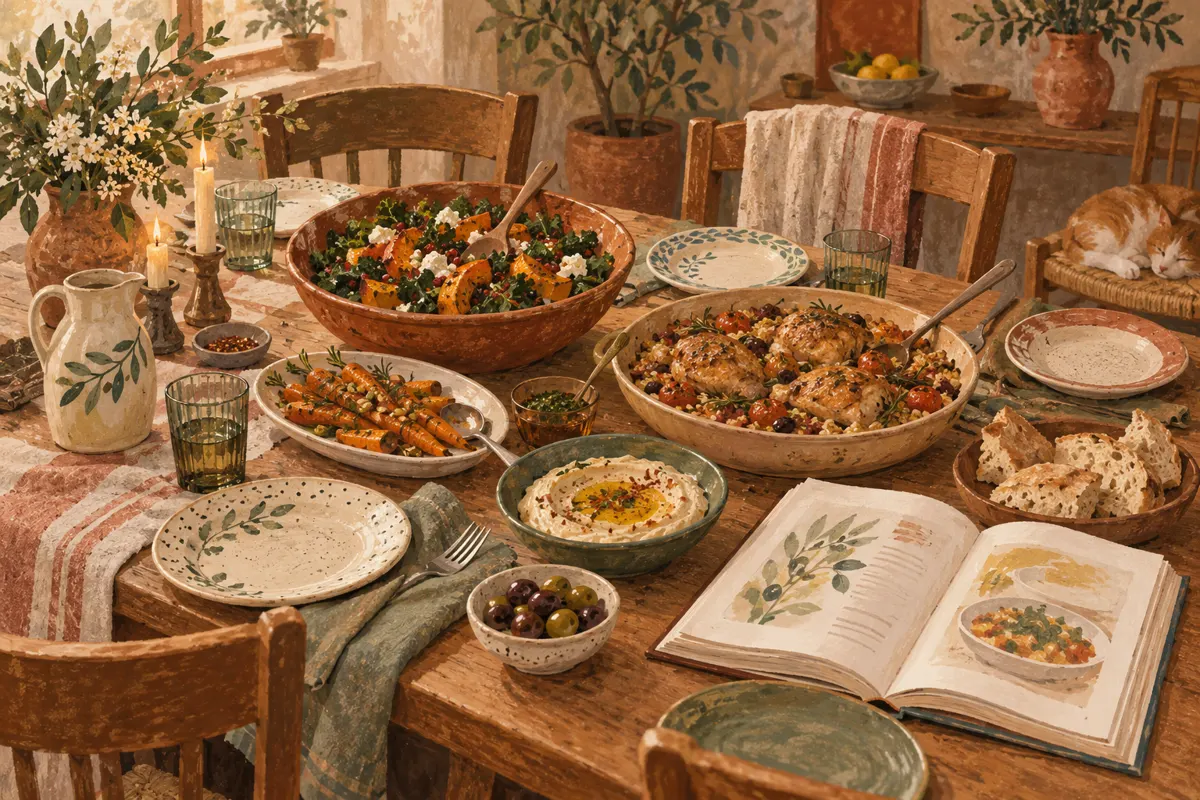
To host a cookbook club, choose one cookbook, invite everyone to claim a different recipe, and gather for a meal where each person brings one dish. Agree on portions and kitchen needs ahead of time, then let the food lead a relaxed conversation about what worked, what changed, and what the recipes taught you.
Choose a cookbook everyone can use
Start with a date and a shared book. A favorite cookbook, a collection focused on one cuisine, or a baking book can all provide a clear theme. Choose something that gives guests a range of manageable recipes, rather than expecting everyone to tackle an elaborate project.
Our proposal for a first gathering: offer two cookbook choices and ask guests which they can access and feel comfortable cooking from. Before settling on one, check whether its recipes suit the group’s dietary needs, available equipment, and ingredient budgets. Arrange access early, whether guests use their own copies or borrow a shared copy.
Keep the invitation clear: include the book title, date, address, arrival time, and the request to bring one agreed dish. Explain that beginners are welcome and that everyone will talk briefly about their cooking experience.
Build a menu before anyone shops
Use one shared list or document so guests can see what others have claimed. Record the recipe title and page number, the cook’s name, the dish category, and any dietary information. This helps prevent duplicate dishes and a meal made entirely of desserts.
- Ask about dietary restrictions before recipes are selected.
- Choose the main dish first. The host can take a recipe that is awkward to transport or needs last-minute cooking.
- Invite guests to claim complementary sides, starters, and dessert.
- Agree on portions. Each dish contributes to the shared meal, so discuss recipe yields instead of asking everyone to bring a full dinner for every guest.
- Add a note for serving utensils, reheating, assembly, and refrigerator space.
Our proposal is to review the list once before shopping begins. If it looks unbalanced, ask whether someone would like to switch recipes. Confirm planned substitutions so guests know what will actually be served.
Make arrival and serving easy
Ask everyone to read their recipe fully and complete as much preparation as possible at home. Bringing a cooked dish that only needs a final garnish or simple assembly keeps the host’s kitchen available. Agree in advance on anything that needs an oven, burner, or microwave.
- Clear a landing space for dishes and a separate spot for coats and bags.
- Set out plates, cutlery, napkins, serving spoons, and trivets before guests arrive.
- Leave enough table or counter space for the food; keep decorations modest.
- Provide water and a nonalcoholic drink alongside any other drinks.
- Ask guests to bring containers if they would like to take leftovers home.
Our proposal: have each cook identify their dish and mention substitutions before people serve themselves. Keep the shared cookbook nearby so anyone curious about a technique or ingredient can look it up.
Talk about the cooking and the writing
Start with a brief turn for each cook: what they made, how the process went, and what they would change next time. Substitutions, unexpected results, and confusing instructions give everyone something concrete to discuss. Leave room for an imperfect dish to be part of the conversation.
For a conversation about cooking traditions and recipe writing, we propose these prompts. Let people share personal connections voluntarily, and use the author’s introduction or recipe notes as the starting point for discussing a dish’s background.
- What does the author say about where this dish comes from or when it is served?
- Did it remind you of something cooked in your family or community?
- Which instruction was especially clear, and where did you have to make a judgment?
- Did the recipe describe useful cues, such as texture, color, or aroma?
- What would you tell someone making it for the first time?
Finish with a simple plan for next time
Before everyone leaves, choose the next date and host while calendars are handy. You can continue with the same cookbook or select another together. Share leftovers and let guests collect their dishes and utensils.
Our proposal is to keep one short group note: recipes cooked, useful adjustments, and the next meeting details. That gives the club a practical memory without creating homework. The repeating commitment can stay simple: one book, one dish each, and time to eat together.